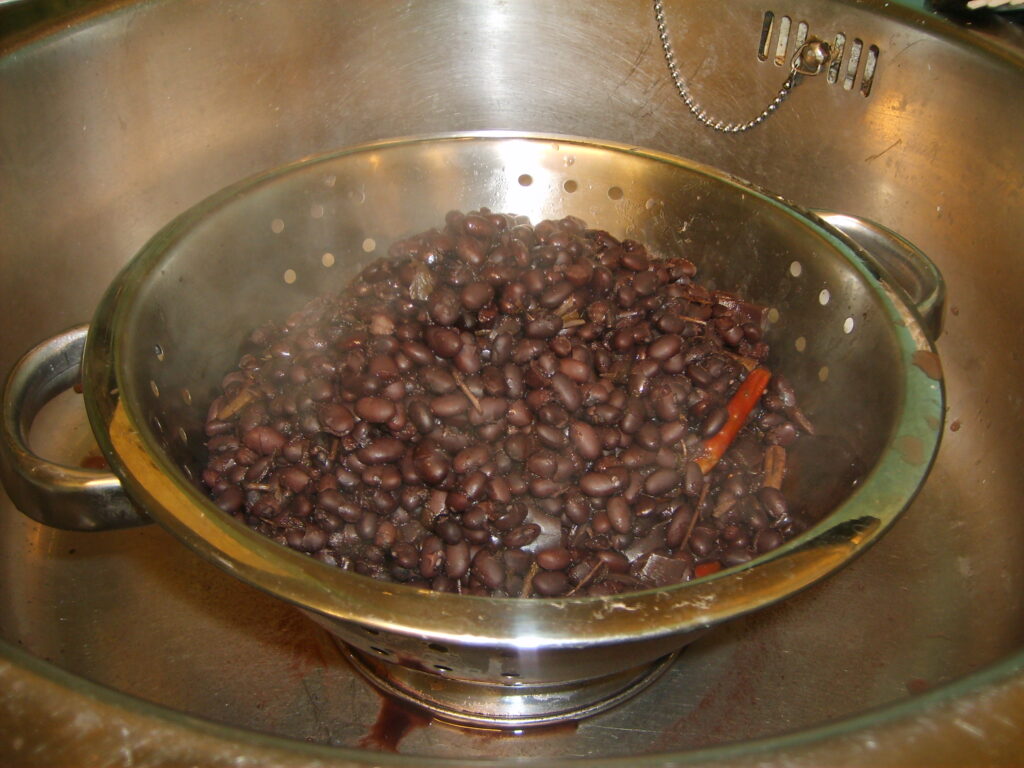
The short answer: Plan around shared ingredients, not five unrelated recipes. This five-night plan turns cabbage, carrots, onions, canned beans and a few staples into rice bowls, tacos, pasta, quesadillas and egg fried rice. Each dinner makes two servings. Ingredients are allocated below so you can shop once without relying on Monday’s cooked leftovers lasting until Friday.
Testing disclosure: These are original, untested recipe outlines. Preparation and cooking times are estimates; use the texture cues, package instructions and food-safety checks provided.
1. Five dinners, with every shared ingredient assigned
Follow this order to use Tuesday’s opened tomatoes on Wednesday:
| Night | Dinner | Yield |
|---|---|---|
| Monday | Cumin chickpea–cabbage bowls with rice | 2 bowls |
| Tuesday | Smoky black bean tacos with yogurt slaw | 4 tacos, plus any remaining slaw |
| Wednesday | Chickpea, tomato and carrot pasta | 2 portions |
| Thursday | Black bean–cheddar quesadillas with slaw | 4 folded quesadillas, plus slaw |
| Friday | Cabbage, carrot and egg fried rice | 2 portions |
The vegetable weights below mean usable weight after trimming or peeling, not the weight of a whole cabbage or unpeeled onions.
| Shared ingredient | Mon | Tue | Wed | Thu | Fri | Total |
|---|---|---|---|---|---|---|
| Green cabbage | 300 g | 250 g | — | 250 g | 200 g | 1,000 g |
| Carrots | 150 g | 100 g | 100 g | 100 g | 150 g | 600 g |
| Onion | 100 g | 100 g | 100 g | 100 g | 100 g | 500 g |
| Dry white rice | 100 g | — | — | — | 150 g | 250 g |
| Plain yogurt | — | 80 g | — | 80 g | — | 160 g |
| Cheddar | — | — | 40 g | 120 g | — | 160 g |
| Flour tortillas | — | 4 | — | 4 | — | 8 |
Worked example: The cabbage allocation is 300 + 250 + 250 + 200 = 1,000 g. If your trimmed cabbage weighs more, the excess is outside this plan; weigh it rather than assuming “one cabbage” is an exact quantity.
The plan reuses raw ingredients in different dishes. It does not require saving cooked cabbage or rice all week.
2. One consolidated shopping list
Check your pantry first. Buy the following quantities, allowing extra produce weight for discarded cores, skins and damaged leaves.
Produce
- Green cabbage: enough for 1,000 g trimmed
- Carrots: enough for 600 g prepared
- Yellow onions: enough for 500 g peeled
Canned foods
- Two 15-ounce cans chickpeas, one each for Monday and Wednesday
- Two 15-ounce cans black beans, one each for Tuesday and Thursday
- One 28-ounce can diced tomatoes, including juice: 200 g Tuesday, everything remaining Wednesday
Grains and bread
- 250 g dry long-grain white rice
- 170 g dry short pasta
- Eight 6-inch flour tortillas
Refrigerated foods
- Four large eggs
- 160 g plain yogurt
- 160 g cheddar, grated
Pantry quantities used
- Neutral cooking oil: 6 tablespoons
- Vinegar: 5 teaspoons
- Ground cumin: 3 teaspoons
- Smoked paprika: 2 teaspoons
- Dried oregano: 1 teaspoon
- Soy sauce: 2 teaspoons, plus more only if needed
- Salt and black pepper, to taste
Package sizes will not necessarily match the plan. It uses all four bean cans and the tomato can, but larger bags of rice, pasta or tortillas will leave a balance. Keep those amounts on your next meal-planning list rather than treating them as unexplained extras.
3. Equipment, preparation schedule and storage rules
Equipment: A kitchen scale; measuring spoons; knife and cutting board; grater; colander; mixing bowl; 12-inch skillet, preferably nonstick for Friday; 2-quart lidded saucepan; 4-quart pasta pot; spatula; food thermometer; and shallow storage containers.
Before Monday: Check supplies, weigh your usable vegetables and note the allocations. Keep the later-night cabbage in larger pieces rather than shredding everything immediately. Leave cans unopened until needed.
Each evening: Wash produce under running water before preparing it; do not use soap. Chop that night’s vegetables and drain only that night’s beans. FoodSafety.gov recommends washing produce before peeling or cutting. (foodsafety.gov)
Tuesday: After measuring 200 g tomatoes, refrigerate the remainder in a covered food-grade container labeled “Wednesday pasta.” Do not leave the opened tomatoes on the counter.
Friday: Cook a fresh batch of rice. Monday-to-Friday refrigerated rice is not part of this plan.
Apply these safety rules to every dinner:
- Keep the refrigerator at 40°F or below.
- Refrigerate perishables within two hours, or within one hour above 90°F. Divide cooked food into shallow containers for prompt cooling. (foodsafety.gov)
- Use refrigerated cooked leftovers within three to four days, or freeze them within that window. These limits start when food is cooked, not when you decide to reuse it. (foodsafety.gov)
- Reheat cooked leftovers to 165°F, checked with a food thermometer. Keep cold slaw separate from food being reheated. (foodsafety.gov)
The dish-specific notes below add practical handling instructions to these rules.
4. Monday: Cumin chickpea–cabbage rice bowls
Makes: 2 bowls
Estimated time: 10 minutes preparation; 20–25 minutes cooking, overlapping
Ingredients, in order of use: 100 g dry rice; water according to its package; 1 tablespoon oil; 100 g sliced onion; 150 g coarsely grated carrot; 300 g thinly sliced cabbage; 1 teaspoon cumin; one can chickpeas, drained and rinsed; 2 tablespoons water; 1 teaspoon vinegar; salt and pepper.
- Cook the rice in the saucepan using its package’s water quantity, simmering time and resting instructions.
- Meanwhile, heat the oil in the skillet over medium heat. Add onion and carrot; cook about 5 minutes, stirring, until the onion softens.
- Add cabbage and cumin. Cook 6–8 minutes, turning regularly, until the cabbage bends easily and has a few browned edges.
- Add chickpeas and 2 tablespoons water. Cook 3–5 minutes, until hot throughout. Add vinegar, season and divide over the rice.
Practical check: If the vegetables stick before softening, add a tablespoon of water and reduce the heat slightly.
Storage: Refrigerate rice and chickpea mixture in separate shallow containers. Use within three to four days; add a little water when reheating rice and check for 165°F. (foodsafety.gov)
5. Tuesday: Smoky black bean tacos with yogurt slaw
Makes: 4 tacos; serve 2 per person with remaining slaw
Estimated time: 15 minutes preparation; 15 minutes cooking
Ingredients, in order of use: 250 g finely shredded cabbage; 100 g grated carrot; 80 g yogurt; 2 teaspoons vinegar; salt and pepper; 1 tablespoon oil; 100 g diced onion; 1 teaspoon cumin; 1 teaspoon smoked paprika; one can black beans, drained and rinsed; 200 g canned diced tomatoes with juice; four tortillas.
- Toss cabbage and carrot with yogurt and vinegar. Season lightly and refrigerate while cooking the filling.
- Heat oil over medium heat. Cook onion about 5 minutes until softened. Stir in cumin and paprika for 30 seconds.
- Add beans and tomatoes. Simmer uncovered for 6–8 minutes, stirring, until the filling is moist but no longer watery. Mash a few beans to help it hold together.
- Warm tortillas according to their package. Fill with beans and a little slaw; serve the rest alongside.
Avoid soggy tacos: Reduce the filling before assembling, and add slaw only when ready to eat.
Storage: Refrigerate filling and slaw separately. Apply the cooked-leftover limit to the filling; aim to eat extra slaw the next day for texture. Refrigerate the remaining canned tomatoes immediately for Wednesday. USDA’s published guidance allows refrigerated opened tomato products five to seven days; this plan uses them the following night. (ask.fsis.usda.gov)

6. Wednesday: Chickpea, tomato and carrot pasta
Makes: 2 portions
Estimated time: 10 minutes preparation; 20 minutes cooking
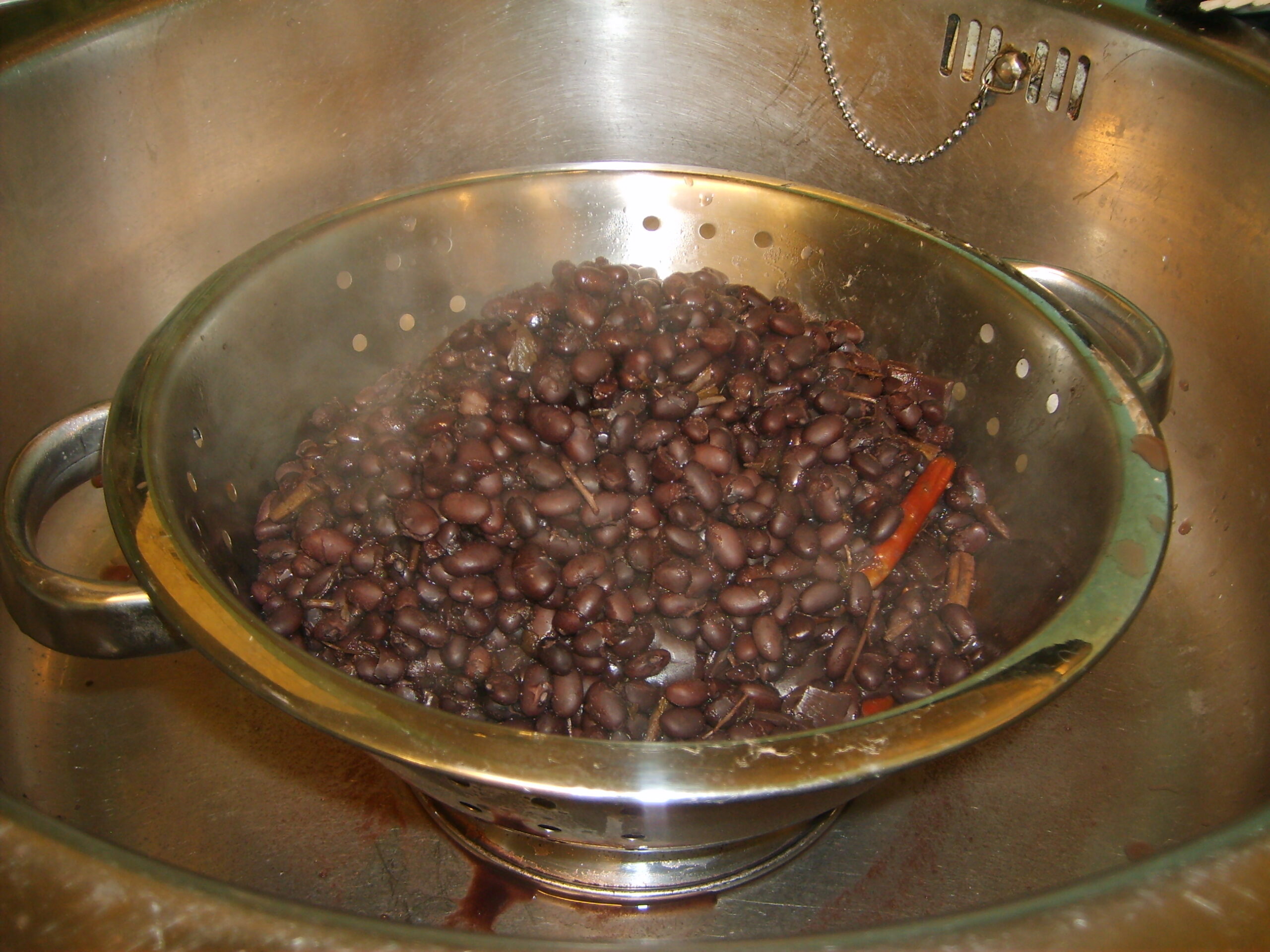
Ingredients, in order of use: 170 g dry short pasta; 1 tablespoon oil; 100 g diced onion; 100 g finely grated carrot; 1 teaspoon oregano; all tomatoes and juice remaining from Tuesday’s can; one can chickpeas, drained and rinsed; 40 g grated cheddar; salt and pepper.
- Bring a pot of water to a boil. Cook pasta according to its package, reserving ½ cup cooking water before draining.
- Meanwhile, heat oil in the skillet over medium heat. Cook onion and carrot 5–7 minutes, stirring, until softened.
- Add oregano, remaining tomatoes and chickpeas. Simmer uncovered 10–12 minutes, stirring occasionally, until the sauce thickens.
- Add pasta. Loosen with reserved cooking water, a tablespoon at a time, only if needed. Season and divide between two bowls; top with cheddar.
Practical check: The sauce should coat the pasta without leaving a watery puddle underneath.
Storage: Refrigerate in shallow containers and use within three to four days. Reheat with a splash of water, stirring for even heating, to 165°F. (foodsafety.gov)
7. Thursday: Black bean–cheddar quesadillas with slaw
Makes: 4 folded quesadillas; serve 2 per person with slaw
Estimated time: 15 minutes preparation; 20 minutes cooking
Ingredients, in order of use: 250 g finely shredded cabbage; 100 g grated carrot; 80 g yogurt; 2 teaspoons vinegar; salt and pepper; 1 tablespoon oil, divided; 100 g finely diced onion; 1 teaspoon cumin; 1 teaspoon smoked paprika; one can black beans, drained and rinsed; 2 tablespoons water; four tortillas; 120 g grated cheddar.
- Mix cabbage, carrot, yogurt and vinegar. Season and refrigerate.
- Heat 2 teaspoons oil over medium heat. Cook onion about 5 minutes. Add cumin, paprika, beans and water. Cook 3–5 minutes, mashing into a thick filling. Transfer to a bowl; wipe out the skillet.
- Divide beans and cheese over half of each tortilla, leaving a border. Fold closed.
- Brush the skillet with the remaining teaspoon oil. Cook quesadillas in batches over medium-low heat, roughly 2–3 minutes per side, until golden and the cheese melts.
Common mistake: High heat can brown tortillas before the center heats. Lower the heat rather than pressing hard and squeezing out the filling.
Storage: Refrigerate quesadillas separately from slaw. Reheat quesadillas to 165°F; a skillet or oven is a practical choice when you want a firmer exterior. (foodsafety.gov)
8. Friday: Cabbage, carrot and egg fried rice
Makes: 2 portions
Estimated time: 15 minutes preparation; 25–30 minutes cooking, overlapping
Ingredients, in order of use: 150 g dry rice; package-directed water; 2 tablespoons oil, divided; 100 g diced onion; 150 g finely diced carrot; 200 g thinly sliced cabbage; four large eggs, beaten; 2 teaspoons soy sauce; black pepper.
- Cook rice according to its package. While it cooks, prepare the vegetables. Fluff the finished rice and use it promptly; do not leave it out for hours to dry.
- Heat 1 tablespoon oil over medium-high heat. Cook onion and carrot 5–7 minutes, then add cabbage and cook 4–6 minutes, until tender. Transfer to a bowl.
- Reduce to medium. Add the remaining oil and eggs. Stir into curds until fully set.
- Add rice and vegetables. Stir-fry 3–5 minutes, breaking up clumps. Add soy sauce and pepper. Check that the egg-containing mixture reaches 160°F, the recommended minimum for egg dishes. (foodsafety.gov)
Texture check: Fresh rice may give a softer result. If your skillet is crowded, combine and fry half the mixture at a time.
Storage: Refrigerate promptly in shallow containers; use within three to four days and reheat to 165°F. Do not leave rice on the counter to cool overnight: FoodSafety.gov specifically identifies improperly held rice and leftovers as sources of Bacillus cereus illness. (foodsafety.gov)